Why is Injection Molding and Assembly Critical for High Volume Production?
Injection molding and assembly are key components in streamlining the manufacturing process, especially when it comes to high volume production. Understanding their importance can help businesses optimize efficiency and ensure quality in their output.
Understanding Injection Molding
Injection molding is a manufacturing process used for creating parts by injecting material into a mold. This section explains how it works and its significance in production.
At its core, injection molding is a seamless blend of creativity and engineering. Imagine designing a toy or a complex part; the concept starts as a digital model, which is then brought to life. This method uses thermoplastics or thermosets, melted and injected at high pressure into precision-engineered molds. The result? A perfectly formed part, ready for assembly.
One of the standout features of injection molding is its ability to produce identical parts at an impressive scale. This consistency is crucial, particularly in industries like automotive and consumer goods, where quality is non-negotiable. Moreover, the rapid cycle times mean that businesses can meet high demand without compromising on quality.
In addition, the versatility of injection molding cannot be underestimated. It supports a vast range of materials and complex geometries. This adaptability not only caters to various applications but also enhances the potential for innovation within products.
The Role of Assembly
Assembly processes integrate various components, ensuring that the final product is complete and functional. This section highlights the assembly’s importance in the manufacturing chain.
The assembly phase is where the magic truly happens. It’s not just about putting pieces together; it's about creating a cohesive unit that works flawlessly. Each part from injection molding must fit perfectly, transforming individual components into an outstanding final product.
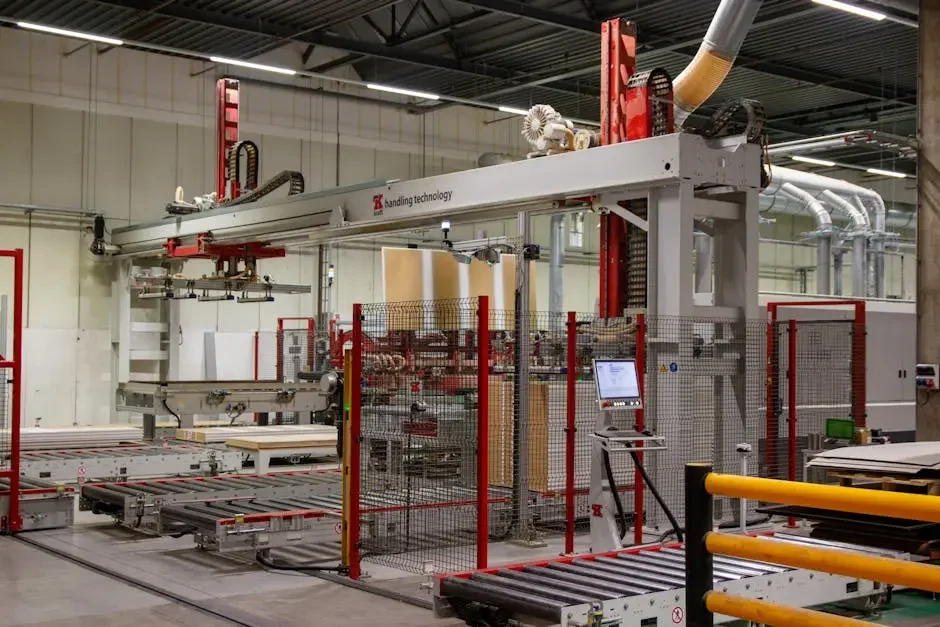
Moreover, automation in assembly processes significantly enhances efficiency. Many manufacturers are now employing robotic systems, which streamline operations and reduce human error. This shift not only speeds up production but also allows for more intricate assembly tasks that would be challenging to execute manually.
Additionally, effective assembly can enhance the durability and functionality of the product. A well-assembled item often has a longer lifespan, which not only satisfies the customer but also reduces return rates due to defects. This reliability is particularly crucial in high volume production where customer expectations are consistently high.
Benefits of Injection Molding in High Volume Production
This section outlines the key advantages of using injection molding, such as efficiency, repeatability, and material conservation, making it ideal for high volume production.
When it comes to high volume production, efficiency is king. Injection molding shines in this area, with fast cycle times enabling manufacturers to produce thousands of parts each day. This rapid output isn't just beneficial; it can be the difference between meeting customer demands and falling short.
Repeatability is another significant advantage. Each time a mold is filled, it delivers parts that are nearly identical, leading to consistent quality. This reliability fosters trust with clients who expect that every product meets the same high standards, regardless of how many units are produced.
Material conservation is also a crucial benefit of injection molding. Excess material can significantly increase production costs, but with careful design and optimized molding parameters, waste can be minimized. This eco-friendly approach not only saves money but also aligns with the increasing demand for sustainable manufacturing practices.
Cost-Effectiveness of Injection Molding and Assembly
High volume production often leads to significant cost savings. Here, we explore how injection molding and assembly contribute to lowering production costs.
From the outset, injection molding brings cost efficiency to the fore. The initial investment in molds may be substantial, yet they pay off through the vast quantity of parts produced. With every cycle, the cost per unit decreases, making it economically viable for high-volume orders.
Furthermore, the automation allowed by modern assembly techniques reduces labor costs in a big way. By minimizing reliance on manual labor, companies can adjust their budgets to accommodate other critical areas, such as R&D or marketing. Having lower operational costs also provides leeway in pricing strategies, allowing businesses to be competitive in the market.
In essence, the financial benefits of using injection molding and assembly methods are clear-cut. Companies can enjoy lower production costs while still delivering high-quality products, reinforcing the notion that strategic manufacturing choices have a direct impact on the bottom line.
Quality Assurance in Production
Maintaining quality is crucial in manufacturing. This section covers how injection molding and assembly help ensure product consistency and high standards.
Quality assurance is not just a buzzword—it's the foundation of successful manufacturing. With injection molding, the precision of the molds directly correlates to the quality of the output. This guarantees that each part will function as intended, ultimately leading to a reliable final product.
Moreover, in the assembly phase, meticulous checks can be integrated into the process. Techniques such as statistical process control help monitor production and identify any deviations from quality standards, so corrective actions can be taken swiftly. This proactive approach ensures that potential issues are addressed before they escalate.
Lastly, the certifications and quality standards that many manufacturers adhere to, further reinforce the commitment to excellence. Whether through ISO certification or other quality frameworks, these practices foster continuous improvements in production processes.
Future Trends in Injection Molding and Assembly
As technology advances, so do the methods of injection molding and assembly. Here, we discuss emerging trends that may influence high volume production.
Looking ahead, advancements in materials will play a pivotal role. For instance, bioplastics and new composites offer exciting opportunities not only for reducing environmental impact but also improving the performance characteristics of molded parts. As these materials become more mainstream, they could redefine product design in various industries.
Moreover, the rise of Industry 4.0 introduces intelligent manufacturing paradigms. Smart technologies and IoT integration into injection molding and assembly processes will enhance data collection and analysis. This wealth of information can be used to optimize production, predict maintenance needs, and improve overall efficiency.
Finally, sustainability will continue to be a key focus. Companies that prioritize environmentally friendly practices in injection molding and assembly will not only meet regulatory demands but also appeal to a growing consumer base that values eco-conscious products. This shift toward sustainability will redefine the landscape of manufacturing in the coming years.
Key Takeaways
By recognizing the critical role of injection molding and assembly, companies can leverage these processes to enhance their production capabilities. The benefits of efficiency, cost-effectiveness, and quality assurance make them indispensable in high volume manufacturing.