
In today's fast-paced business environment, understanding how products are made and delivered is crucial. Contract manufacturing has become a game-changer in the world of supply chains. This blog will explore what contract manufacturing is, how it fits into modern supply chains, and why it's an important strategy for businesses looking to thrive.
Understanding Contract Manufacturing
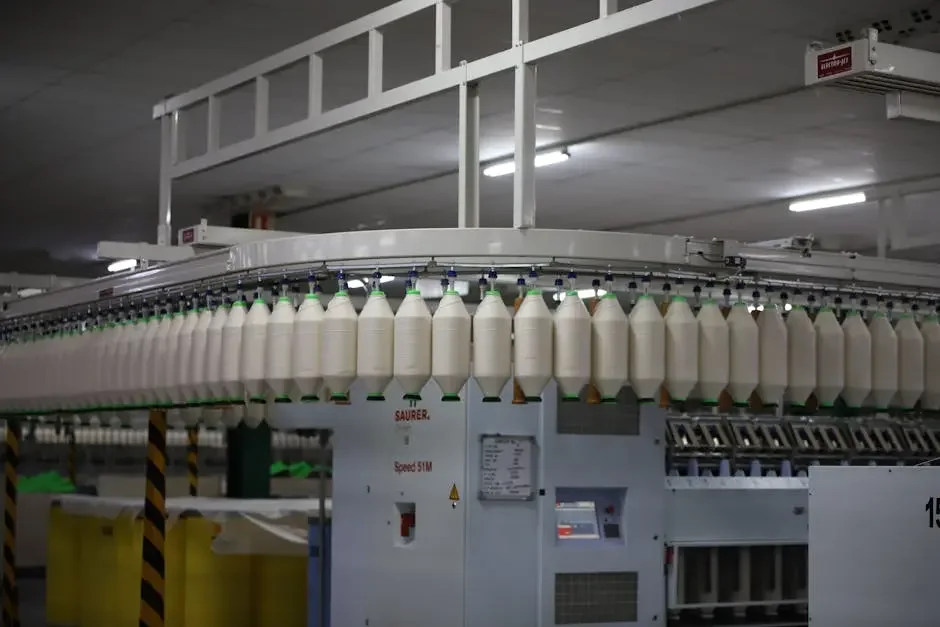
Let's start with the basics. What is contract manufacturing? At its core, it's when a company hires another company to produce its products. This can range from everything like clothing to electronics. Understanding this foundation helps us see its importance in today’s supply chains.
You might be wondering how this process is set in motion. Typically, a business will draft a contract outlining the terms and conditions under which the third-party manufacturer will operate. This contract serves as a framework that includes details like production timelines, quality standards, and pricing strategies. By having a clear contract, both parties can ensure that expectations are met, reducing the likelihood of misunderstandings.
Another important factor to consider is the level of trust involved. Contract manufacturing means that businesses must rely on their manufacturing partners to uphold quality standards. This relationship often requires ongoing communication and evaluation, ensuring that everyone's on the same page. Hence, choosing the right partner is not just a matter of cost but also compatibility and capability.
The Benefits of Contract Manufacturing
Why do companies often choose contract manufacturing? The benefits are many! From cost savings and access to expertise to scalability and reduced time-to-market, companies can focus on what they do best while leaving the manufacturing to specialized partners.
Imagine a startup with a groundbreaking idea for a tech gadget. Instead of investing heavily in manufacturing tools and facilities, they can partner with a contract manufacturer that already has the necessary infrastructure in place. This not only saves money but also allows them to concentrate their resources on research, marketing, and customer engagement. Thus, contract manufacturing becomes a strategic advantage.
Moreover, tapping into specialized expertise can elevate product quality significantly. Many contract manufacturers have extensive experience and technical know-how in specific industries. This means businesses can benefit from their partners' insights and innovations, resulting in products that are not just manufactured, but manufactured exceptionally well. Furthermore, this collaboration can lead to new ideas and innovations that might not have emerged otherwise.
The Impact on Supply Chain Efficiency
Contract manufacturing can significantly enhance supply chain efficiency. By optimizing production processes and minimizing overhead costs, businesses can respond more quickly to market demands and ultimately improve customer satisfaction.
Let’s dive deeper into how these efficiencies manifest. When companies utilize contract manufacturers, they often experience shorter lead times. A well-established manufacturer can ramp up production faster than an emerging business could on its own. This agility enables companies to react promptly to changing consumer preferences, reducing the risk of surplus inventory or stockouts.
Furthermore, contract manufacturing allows companies to leverage economies of scale. By partnering with manufacturers who can produce goods in large volumes, businesses can benefit from reduced per-unit costs. This economic advantage can also be passed on to customers, making products more competitive in pricing without sacrificing quality. The result? A win-win situation for businesses and consumers alike.
Challenges in Contract Manufacturing
Though there are many advantages, it’s not all smooth sailing. Companies must navigate challenges such as quality control, communication issues, and potential risks associated with relying on third-party manufacturers.
Quality control is perhaps one of the most critical challenges faced. When products are manufactured outside the direct oversight of a company, the risk of subpar quality increases. To mitigate this, businesses must establish rigorous quality assurance protocols with their contract manufacturers, ensuring that every product meets the desired standards before it hits the market.
Additionally, effective communication can become a hurdle, especially when working with suppliers across different geographical locations. Differences in time zones, languages, and even cultures can complicate project management and lead to delays or misunderstandings. Companies need to invest in clear communication tools and regular check-ins to keep the lines of dialogue open and fluid.
The Future of Contract Manufacturing in Supply Chains
Looking ahead, the role of contract manufacturing is likely to evolve even further. As technology continues to advance, we can expect to see new trends and innovations that will shape the future of manufacturing and supply chains.
For instance, the rise of automation and robotics can lead to more streamlined production processes, reducing human error and improving output. This exciting evolution may not only enhance quality but also decrease costs long-term. As artificial intelligence becomes more integrated into manufacturing operations, businesses will find themselves better equipped to predict trends and adjust production accordingly.
Moreover, sustainability is becoming an increasingly important factor in modern supply chains. Many businesses are now looking for contract manufacturers who prioritize eco-friendly practices. This could involve sourcing materials responsibly or utilizing renewable energy in production. As consumer demand shifts toward greener products, the collaboration with conscientious manufacturers can directly impact a company's reputation and market success.
Embracing the Future of Supply Chains
Contract manufacturing is not just about outsourcing production; it’s about leveraging partnerships that can drive innovation, efficiency, and growth. As businesses continue to adapt to changes in technology and consumer demand, understanding the role of contract manufacturing will be key to staying competitive in the marketplace.