
15 Reasons Why Precision Plastics Machining is Revolutionizing Manufacturing
In today's fast-paced manufacturing landscape, precision plastics machining is making waves. This innovative process is not just about creating parts; it's about enhancing efficiency, sustainability, and quality in production. Here are some compelling reasons why precision plastics machining is transforming the way we manufacture goods.
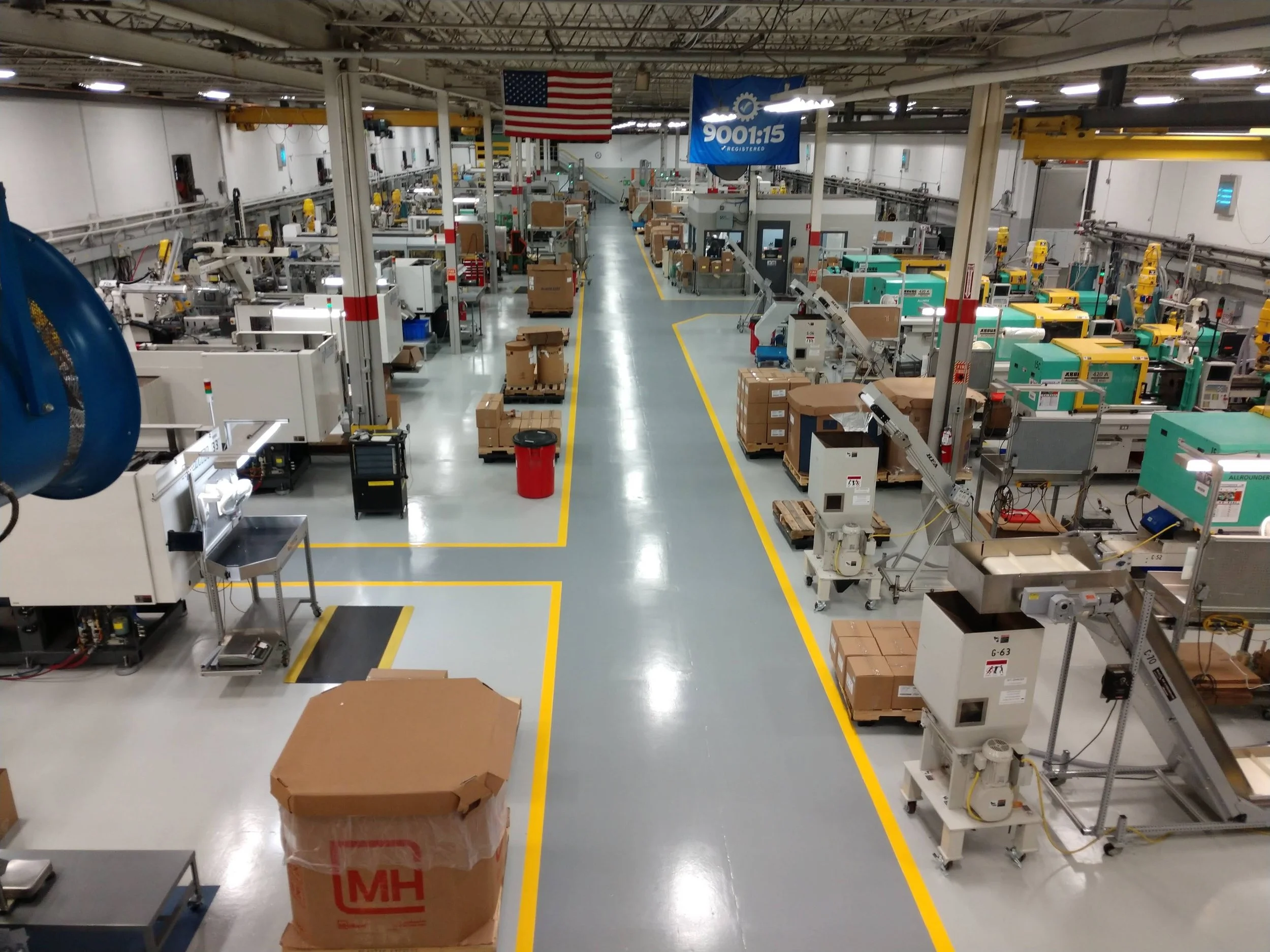
1. Unmatched Precision and Accuracy
Precision plastics machining offers incredibly tight tolerances, ensuring that every part fits perfectly within the desired specifications.
This level of accuracy not only leads to fewer errors during production but also enhances the final product's reliability. Companies that utilize precision machining find that their components fit together seamlessly, which is particularly critical in industries that demand high performance, such as aerospace and medical devices. Moreover, the consistent quality of parts produced helps companies build trust with their customers, fostering long-term relationships based on dependable performance.
As you can see, unmatched precision is not just about fitting parts; it's about building a reputation for quality. This level of craftsmanship can distinguish a company in a crowded marketplace.
2. Enhanced Efficiency in Production
With quicker setup times and streamlined processes, manufacturers can produce more parts in less time using precision plastics machining.
Imagine a production floor where the transition between projects is as smooth as a well-oiled machine. This is the reality for companies that leverage precision plastics machining. By reducing the time spent on setup and adjustments, manufacturers can focus on what truly matters: creating high-quality products at a faster pace. Coupled with advanced software tools that automate scheduling and process management, the efficiency gains can be nothing short of revolutionary.
In essence, enhanced efficiency fuels growth. As companies maximize their output without sacrificing quality, they can capture new market opportunities and increase profitability.
3. Cost Savings and Waste Reduction
By reducing material waste and optimizing production, precision plastics machining delivers cost savings that benefit the bottom line.
Consider this: by minimizing scrap materials, businesses not only lower costs but also embrace a greener approach to manufacturing. As environmental consciousness grows among consumers, companies that prioritize waste reduction are likely to gain a competitive edge. Precision plastics machining efficiently utilizes materials, which translates to less expenditure on raw materials and a more sustainable operation overall.
It’s a win-win situation. Not only are companies enhancing their financial health, but they are also contributing positively to the planet, which resonates well with today's socially aware consumers.
4. Wide Range of Material Compatibility
This machining technique works with an array of plastic materials, offering versatility to meet various manufacturing needs.
The ability to work with multiple materials allows manufacturers to tailor their products to exact specifications. Polypropylene, acrylic, and polycarbonate, among others, can all be utilized in the machining process. This flexibility not only means companies can produce items for diverse applications but also opens doors to innovative product development. For example, using different plastics equipped with various properties can create parts that are both lightweight and incredibly strong.
5. Support for Complex Geometries
Precision plastics machining allows for the creation of complex shapes that were previously difficult or impossible to achieve.
This capability is a game changer for designers, as it expands the realm of possibilities in product design. Imagine wanting to create intricate designs that not only look good but also function effectively. With precision machining, these designs are not just dreams; they become tangible products. This leads to the development of refined techniques and innovations in various fields, from automotive to electronics, where every detail matters.
6. Improved Surface Finish and Aesthetics
The end result of precision machining often features a superior surface finish, enhancing the aesthetic appeal of the product.
A visually appealing product can set a company apart in a saturated market. Consumers are not just purchasing a product; they are investing in a brand. The refined aesthetics achieved through precision machining can elevate a brand's image, attracting more customers. Additionally, a good surface finish contributes to practical benefits, such as corrosion resistance or smoother operation in mechanical parts.
7. Scalability for Production Runs
Whether for small batches or large-scale production, precision plastics machining adapts easily to various production scales.
This adaptability is crucial for businesses aiming to grow. Imagine being able to make a few units for a niche market today and ramping up to thousands of units tomorrow. Precision plastics machining allows for that seamless transition, permitting companies to respond to market demands without the anxiety of overcommitting resources or sacrificing quality. Consequently, firms can explore new markets or product lines with confidence, knowing the production capabilities are robust.
8. Sustainable Manufacturing Practices
This method promotes sustainability by minimizing waste and reducing energy consumption, aligning with modern eco-friendly initiatives.
Sustainability is no longer just a buzzword; it's a necessity in today's manufacturing landscape. Consumers are increasingly looking for brands that align with their values, and incorporating sustainable practices can enhance a brand's reputation. With precision plastics machining, the environmental impact is considerably lower. From reducing harmful emissions during production to optimizing the supply chain, this method supports a holistic approach to sustainability.
9. Fast Prototyping Capabilities
>Precision plastics machining enables rapid prototyping, allowing companies to develop and test designs quickly.
The days of long lead times for prototypes are behind us. Thanks to precision machining, engineers and designers can quickly bring their ideas to life. This agility not only accelerates product development but also allows for more iterative testing. The faster a prototype can be produced, the faster refinements can be made based on feedback, leading to more innovative and effective final products.
10. High Performance Under Stress
>Parts created through precision plastics machining often exhibit high performance, even under extreme conditions.
Consider industries such as aerospace or automotive, where parts may endure severe stress and adverse environments. Precision machining ensures each piece can withstand these challenges without fail. Using advanced materials and techniques, the resulting products can handle high stress while maintaining integrity. This durability not only leads to fewer failures and warranty claims but also bolsters customer trust in the brand because they know they are receiving reliable products.
11. Innovative Design Freedom
>Designers enjoy the freedom to innovate, knowing that precision machining can accommodate their creative visions.
In a world where differentiation is key, creative freedom can be a company's biggest asset. When designers know that their ideas can be realized through precision plastics machining, they are encouraged to push boundaries and explore new design philosophies. This leads to fresh concepts and innovative solutions that not only meet market needs but also redefine industry standards.
12. Integration with Advanced Technologies
Precision plastics machining seamlessly integrates with automation and other technologies, enhancing overall productivity.
In an era where digital solutions are becoming the norm, the integration of precision plastics machining with advanced manufacturing technologies like IoT and AI is revolutionary. Automation not only speeds up production processes but also brings an element of precision that is hard to achieve through traditional means. This interconnectedness enables real-time monitoring and adjustments, ensuring that manufacturing remains agile and responsive to any changes.
13. Global Accessibility and Expertise
With a growing network of skilled professionals, precision plastics machining is accessible on a global scale, bringing expertise to various industries.
This global reach allows companies to tap into a wealth of knowledge and experience that significantly enhances their production capabilities. Skilled machinists and engineers are essential for delivering high-quality products, and the expansion of precision plastics machining has created numerous opportunities for collaboration across borders. This not only fosters innovation but also helps smaller companies who may not have had access to such expertise in the past.
14. Meeting Industry Standards and Regulations
>This machining method complies with stringent industry standards, ensuring that products are safe and reliable.
In an age where consumer safety cannot be compromised, adhering to industry standards is paramount. Precision plastics machining ensures every component meets or exceeds these regulations, which in turn cultivates consumer trust and loyalty. Companies equipped with proof of compliance can leverage this to their advantage in marketing, illustrating their commitment to quality and safety.
15. Future-Proofing Your Manufacturing
As manufacturing continues to evolve, adopting precision plastics machining positions companies to thrive in the future.
Embracing cutting-edge technology is essential for any business seeking long-term success. Companies adopting precision plastics machining not only position themselves ahead of the curve but also gain a competitive edge in an increasingly challenging landscape. As new materials and methods emerge, the foundation built on precision machining will support further innovations, ensuring the company remains relevant and can adapt to future demands.