
How Do Secondary Services Enhance Plastic Production?
Secondary services play a crucial role in the plastic production industry, offering enhancements that improve efficiency, sustainability, and product quality. In this FAQ, we'll explore how these services work together with primary plastic manufacturing processes to create a more successful and environmentally friendly production landscape.
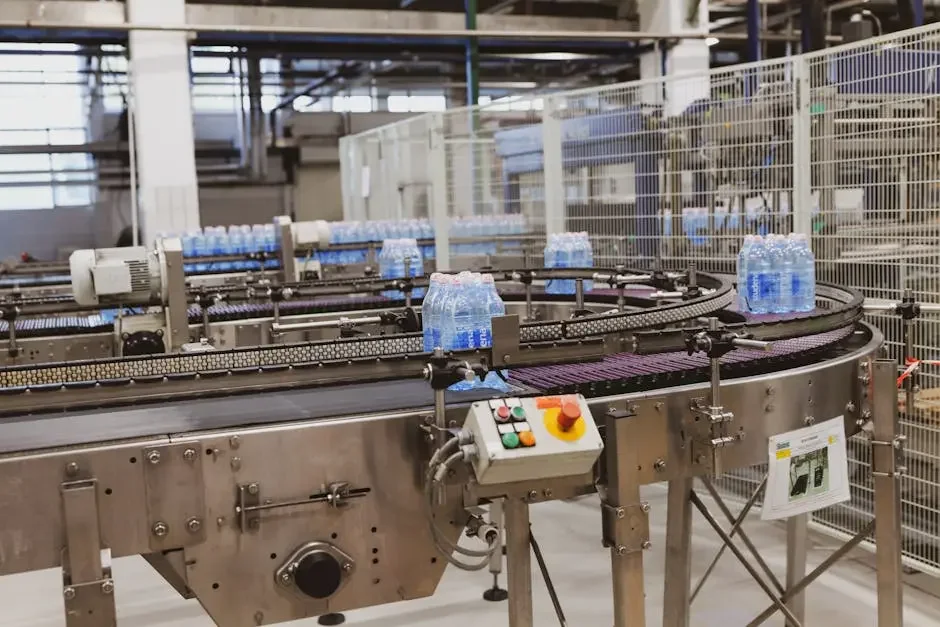
Understanding Secondary Services in Plastic Production
Secondary services include activities such as recycling, mold maintenance, and finishing processes that follow primary manufacturing to ensure product quality and sustainability.
These services act as a bridge between initial production phases and the final product, ensuring that every item produced not only meets high standards but also reduces environmental impact.
For instance, when manufacturers utilize secondary services like quality assurance testing, they ensure that any flaws in the primary production are identified and rectified, leading to better end-user satisfaction.
Impact of Recycling on Plastic Production
Recycling plays a vital role in reducing waste and conserving resources, making the production cycle more sustainable and less harmful to the environment.
When plastic is recycled, it minimizes the need for virgin materials, which in turn lowers the overall carbon footprint associated with plastic production.
Moreover, recycling processes can be integrated seamlessly into the manufacturing workflow, allowing companies to create circular economies that benefit both the industry and the planet.
The use of recycled plastics not only helps the environment but can also lower production costs, making businesses more competitive in a market that increasingly values sustainability.
Benefits of Mold Maintenance and Repair
Regular mold maintenance and repair prolong the lifespan and effectiveness of molds, ensuring high-quality production and reducing downtime.
A well-maintained mold can produce parts more efficiently and with greater accuracy, ultimately leading to fewer defects and waste in the production process.
Furthermore, proactive maintenance reduces unexpected breakdowns and costly repairs, allowing manufacturers to maintain steady production schedules and meet customer demands promptly.
Investing in mold upkeep not only enhances the quality of plastic products but also reflects a company’s commitment to operational excellence and sustainability.
Finishing Processes That Enhance Product Quality
Secondary services like painting, coating, and surface treatment improve the aesthetic and functional attributes of plastic products, meeting customer demands for quality.
These finishing processes add value by enhancing the product's durability and visual appeal, which can significantly influence consumer buying decisions.
For example, a simple coating not only adds color but can also provide resistance to scratches and UV damage, extending the product’s lifespan and effectiveness.
Integrating Secondary Services for Operational Efficiency
By incorporating secondary services into their workflow, manufacturers can streamline operations, reduce costs, and improve overall production efficiency.
The integration of these services can lead to a holistic approach where production is continuously refined and optimized for the best results.
Additionally, a well-structured workflow that includes secondary services encourages collaboration and communication among teams, fostering innovation.
As manufacturers adapt these practices, they find they can not only keep up but also surpass market expectations, creating a more robust and resilient production cycle.
Summary of Benefits from Secondary Services
In summary, integrating secondary services into plastic production not only boosts efficiency but also contributes to sustainability and product quality. By understanding and leveraging these services, manufacturers can significantly enhance their operations.